Know Your Numbers Week: Why workplace health screening matters more than ever
Every September, Blood Pressure UK’s Know Your Numbers Week shines a spotlight on one of the biggest hidden threats to health: high blood pressure. The 2026 campaign, running this week, aims to find the UK’s ‘Missing Millions’ of people living with undiagnosed hypertension, a condition often described as the silent killer because it can cause serious harm long before symptoms appear.
For employers, the campaign presents an ideal opportunity to start a much broader conversation about workplace health screening, preventative healthcare and the role organisations can play in helping employees identify health risks before they become major problems.
Blood pressure: a simple check that can save lives
High blood pressure rarely causes noticeable symptoms, yet it is a major risk factor for heart attack, stroke, kidney disease and vascular dementia. Blood Pressure UK estimates that millions of adults are living with the condition without knowing it.
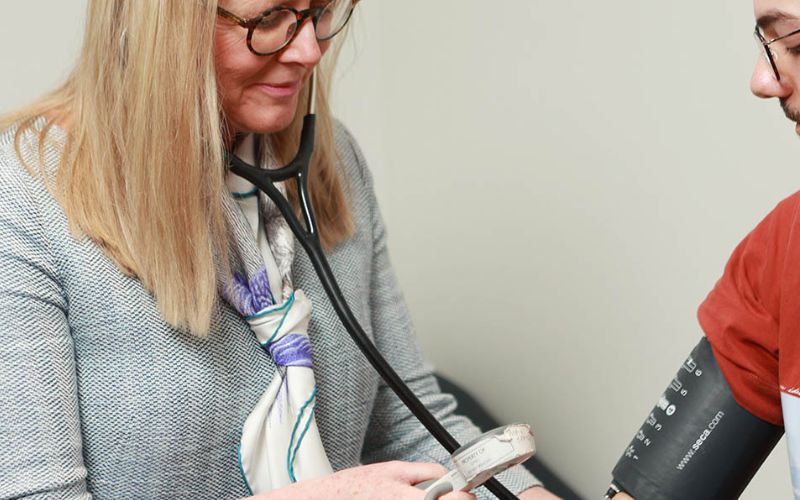
That’s why blood pressure is such a powerful entry point into conversations about health screening. It takes just a few minutes to measure, it is non-invasive, and it can provide an early warning sign that something needs further investigation.
Importantly, there are now very few barriers to knowing your numbers. Clinically validated home monitoring devices from manufacturers such as Omron and newer connected solutions such as Hilo make it easy to check blood pressure regularly without needing a GP appointment. Blood Pressure UK itself now places significant emphasis on home blood pressure monitoring as one of the simplest ways for people to understand and manage their risk.
In other words, there is increasingly no excuse for not knowing your blood pressure.
The health issues people weren’t expecting
Many occupational health providers and corporate medical screening teams report that employees frequently discover previously unknown health concerns through workplace assessments.
While some individuals diligently attend NHS Health Checks and GP appointments, many people, particularly those of working age, rarely seek medical advice unless they feel unwell. The challenge is that conditions such as high blood pressure, raised cholesterol, pre-diabetes and obesity often develop without obvious symptoms.
A workplace health assessment can therefore be the moment when an employee discovers a potentially serious issue early enough to act on it.
The value is not simply identifying illness. Often, screening highlights risk factors that can be addressed through lifestyle changes long before medication or specialist treatment becomes necessary.
The business case for annual health checks
For employers, workplace health screening is not just a wellbeing initiative. It is a strategic investment.
Poor health can contribute to sickness absence, presenteeism, reduced productivity and increased healthcare costs. When employees are supported in identifying and managing health risks early, organisations can benefit from a healthier, more engaged workforce.
Cardiovascular disease itself now costs the UK economy an estimated £29 billion a year, including more than £6 billion in lost productivity through mortality and morbidity. Catching raised blood pressure early, before it leads to a cardiac event or long-term absence, is one of the more cost-effective things a workplace health programme can do.
Annual health checks also send an important cultural message. They demonstrate that an employer cares about prevention, not just intervention. In a competitive recruitment market, comprehensive wellbeing programmes can strengthen both employee retention and employer brand.
Moreover, screening data can help organisations understand emerging health trends within their workforce, enabling more targeted wellbeing initiatives around cardiovascular health, nutrition, mental wellbeing, physical activity and sleep.
At GP London W1, we’re a highly experienced practice, with GPs holding the Diploma in Occupational Medicine, not a generic screening provider. We work with a wide range of companies, from professional services firms to media and hospitality businesses, so we understand both the individual and the industry, meaning employees get advice they will actually act on.
A common myth: “Our workforce is too young to need screening”
One of the biggest misconceptions about workplace health screening is that it is only relevant for older employees or people in high-risk occupations.
The reality is very different.
Blood Pressure UK’s campaigns increasingly focus on working-age adults because many people under 65 assume cardiovascular problems are something to worry about later in life. Yet hypertension can develop in people in their twenties, thirties and forties, particularly when factors such as stress, inactivity, poor diet, obesity or family history are involved.
Remote workers can also be overlooked. Employees who spend most of their time at home may miss out on informal health initiatives, on-site testing events and routine occupational health interactions.
The employees who appear healthiest are sometimes the least likely to engage with healthcare services, making proactive workplace screening even more valuable.
What should a useful workplace health check include?
A meaningful workplace health assessment should go beyond a basic questionnaire.
As a minimum, employers should consider including:
- Blood pressure measurement
- Cholesterol screening
- Blood glucose testing
- Weight, BMI and waist circumference assessment
- Cardiovascular risk evaluation
- Lifestyle review covering diet, exercise, alcohol, smoking and sleep
- Mental wellbeing assessment
- Clear follow-up guidance and referral pathways
Blood pressure, cholesterol, and blood glucose remain particularly important because problems in these areas often go unnoticed for years.
The most effective programmes also give employees practical next steps rather than simply presenting results.
This is the same standard we build into every workplace health assessment at GP London W1, from pre-employment medicals through to annual company check-ups, each one carried out by a GP who takes the time to get to know your workforce, not just their numbers.
From awareness to action
Know Your Numbers Week is a reminder that prevention remains one of the most powerful tools in healthcare.
Whether through an annual workplace medical, an on-site screening event, a pharmacy check, or a home monitor from Omron, Hilo or another validated provider, understanding your blood pressure is one of the simplest actions you can take to protect your long-term health.
For employers, encouraging staff to know their numbers is not just about identifying hypertension. It is about creating a culture where preventative health is normal, accessible and encouraged.
After all, if a five-minute check can help prevent a life-changing health event, it makes sense to bring that opportunity directly into the workplace. The real question is no longer whether people can check their blood pressure. It is whether they choose to.
To discuss workplace health screening or occupational health support for your organisation, contact GP London W1 on +44 (0)20 4580 1152 or visit our occupational health page.
About the author
Dr Fiona Payne is a GP and Partner at GP London W1, with a special interest in Occupational Health. Fiona’s approach is grounded in staying genuinely curious about her patients, favouring balanced, proportionate screening over tests that create anxiety without adding real value.
